10 Base44 Best Practices Every Developer Should Know
Elevate your Base44 development skills with these essential best practices. Optimize performance, security, and maintainability in your applications.
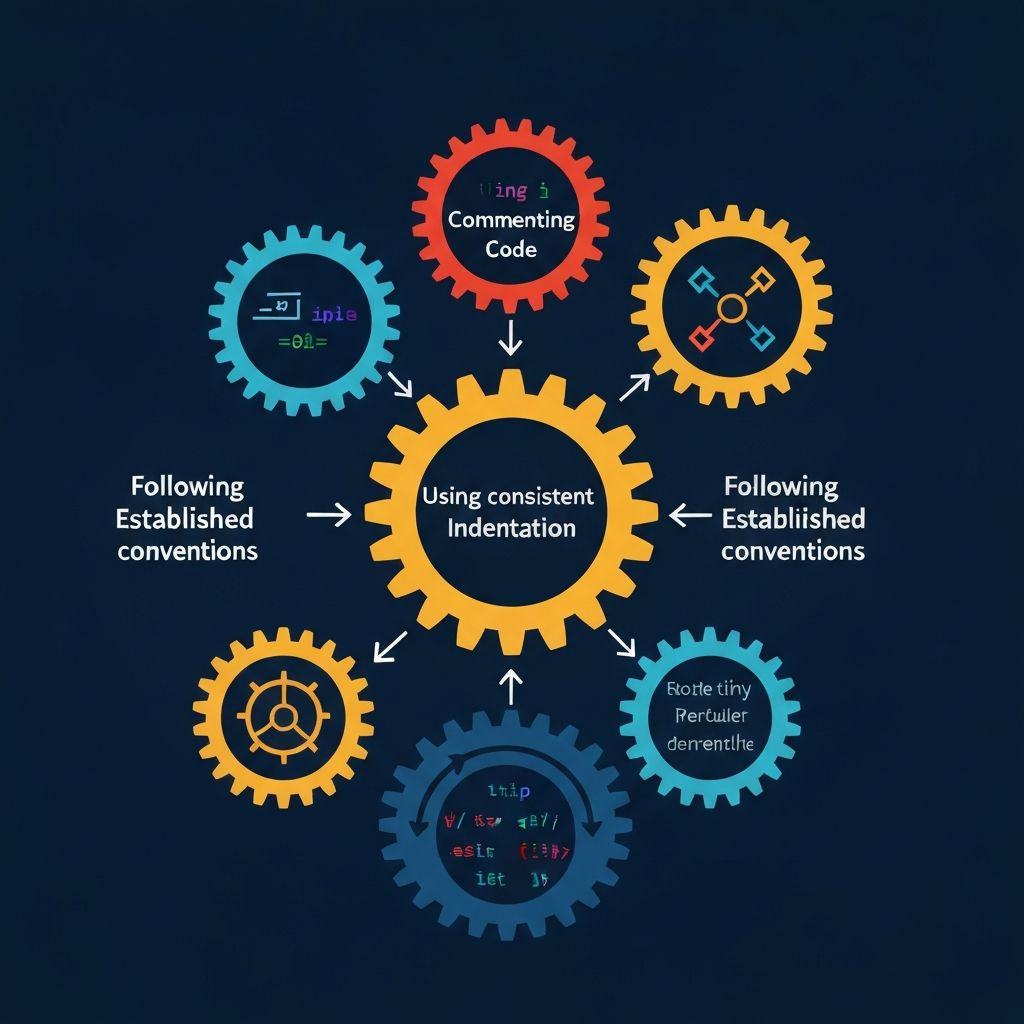
Mastering Base44 development goes beyond knowing the basics. These ten best practices will help you build professional, maintainable, and high-performance applications that stand the test of time.
1. Plan Your Data Structure Before You Code
The foundation of any great application is its data model. Spend time upfront designing your database schema, relationships, and validation rules. A well-planned data structure prevents costly refactoring later and ensures scalability as your application grows.
2. Implement Proper Error Handling
Don't let errors create a poor user experience. Implement comprehensive error handling that provides meaningful feedback to users while logging detailed information for developers. Always handle edge cases and validate user input before processing.
3. Optimize Query Performance
Inefficient queries are the #1 cause of slow Base44 applications. Use indexes strategically, limit the data you fetch, and leverage Base44's query optimization features. Monitor query performance and optimize bottlenecks proactively.
4. Follow Naming Conventions
Consistent naming makes your codebase more maintainable and easier to understand. Establish clear conventions for fields, components, workflows, and follow them religiously. Future you (and your teammates) will thank you.
5. Leverage Reusable Components
Don't repeat yourself. Create reusable components for common UI patterns and business logic. This reduces code duplication, makes updates easier, and ensures consistency across your application.
6. Implement Robust Security Measures
Security should never be an afterthought. Implement proper authentication, authorization, and data encryption. Follow the principle of least privilege, validate all inputs, and regularly audit your security configurations.
7. Test Thoroughly Before Deployment
Create a comprehensive testing checklist that covers all critical user flows. Test edge cases, error scenarios, and performance under load. Use Base44's testing environments to catch issues before they reach production.
8. Document Your Work
Good documentation saves countless hours in the long run. Document complex workflows, business logic, integration points, and any non-obvious design decisions. Your team will appreciate clear documentation when they need to modify or debug your code.
9. Monitor and Analyze Performance
Implement monitoring from day one. Track key performance metrics, user behavior, and error rates. Use this data to identify optimization opportunities and make informed decisions about feature development.
10. Stay Updated with Platform Changes
Base44 continuously evolves with new features and improvements. Stay informed about platform updates, new best practices, and emerging patterns. Regularly review and update your applications to leverage new capabilities.
Putting It All Together
These best practices aren't just theoretical guidelines – they're proven strategies that separate good Base44 applications from great ones. Start implementing them in your next project and watch your development quality improve dramatically.
Want expert guidance on implementing these practices? Base44 Experts offers training and consulting services to level up your team's Base44 skills.
Found this helpful?
Share this article with your network
Ready to Transform Your Base44 Project?
Get expert guidance from Base44 Experts. We'll help you build, optimize, and scale your applications.