Base44 Integration Strategies for Enterprise Applications
Master enterprise-level Base44 integrations. Learn how to connect Base44 with existing systems, APIs, and third-party services seamlessly.
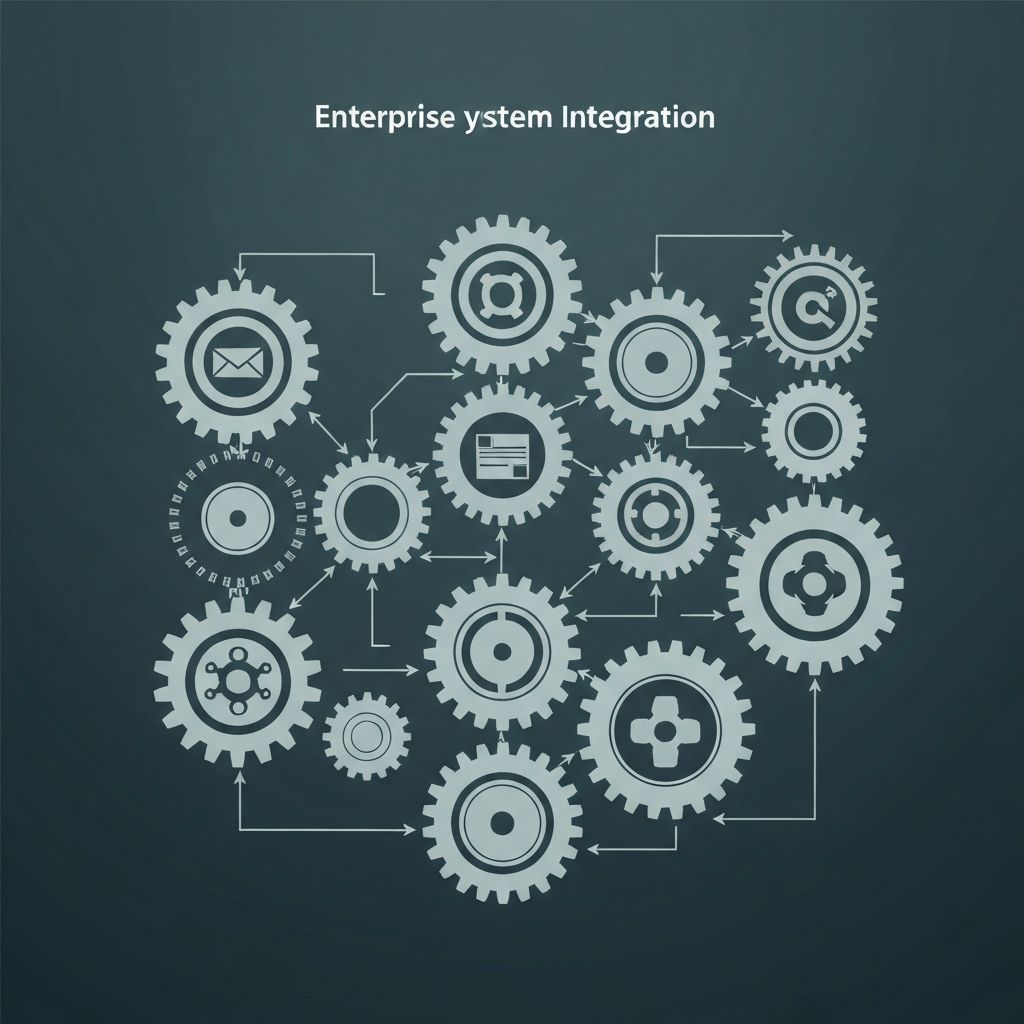
Enterprise integration is complex, but Base44's powerful integration capabilities make it manageable. This guide covers everything you need to know about integrating Base44 into your enterprise ecosystem.
Understanding Enterprise Integration Requirements
Enterprise integrations differ from simple API connections. They require:
- Robust error handling and retry logic
- Transaction management and data consistency
- Security and compliance with enterprise standards
- Scalability to handle high volumes
- Monitoring and alerting capabilities
Integration Patterns for Base44
1. REST API Integration
The most common integration pattern. Base44's REST API support allows bidirectional communication with virtually any system. Implement proper authentication, rate limiting, and error handling for production-ready integrations.
2. Webhook-Based Real-Time Sync
For real-time data synchronization, webhooks provide instant updates without polling. Configure webhooks to trigger workflows in Base44 or external systems based on specific events.
3. Database Direct Connect
For legacy systems, direct database connections might be necessary. Implement read-only access where possible, use connection pooling, and ensure proper data transformation layers.
4. File-Based Integration
When working with systems that don't support APIs, file-based integration provides a reliable alternative. Implement automated file processing, validation, and error handling.
Common Enterprise Integration Scenarios
ERP Integration
Connect Base44 with SAP, Oracle, or other ERP systems for seamless data flow between operational and analytical systems. Focus on master data synchronization and transactional integrity.
CRM Integration
Integrate with Salesforce, Microsoft Dynamics, or other CRM platforms to maintain unified customer data. Implement bidirectional sync with conflict resolution strategies.
Authentication Systems
Connect Base44 with enterprise identity providers (Active Directory, Okta, Azure AD) for single sign-on and centralized user management.
Data Warehouse Integration
Feed Base44 data into your enterprise data warehouse for analytics and reporting. Implement efficient ETL processes and data validation.
Security Best Practices
Security is paramount in enterprise integrations:
- API Key Management: Rotate keys regularly and store them securely
- Network Security: Use VPNs or private connections for sensitive data
- Data Encryption: Encrypt data in transit and at rest
- Audit Logging: Track all integration activities for compliance
- Access Control: Implement principle of least privilege
Performance Optimization
Optimize integration performance with these strategies:
- Batch operations when possible to reduce API calls
- Implement caching for frequently accessed data
- Use asynchronous processing for non-time-critical operations
- Monitor and optimize query performance
- Implement circuit breakers to handle system failures gracefully
Testing and Validation
Comprehensive testing is essential for enterprise integrations:
- Unit Testing: Test individual integration components
- Integration Testing: Verify end-to-end data flow
- Load Testing: Ensure performance under production volumes
- Failure Testing: Validate error handling and recovery
- Security Testing: Verify security controls effectiveness
Monitoring and Maintenance
Ongoing monitoring ensures integration reliability:
- Set up alerts for integration failures and performance issues
- Monitor data quality and consistency
- Track integration performance metrics
- Implement automated health checks
- Maintain integration documentation
Migration Strategies
When migrating from existing systems to Base44:
- Plan phased rollout to minimize risk
- Implement parallel runs to validate accuracy
- Create comprehensive data mapping documentation
- Develop rollback procedures
- Train teams on new integration points
Conclusion
Enterprise integration with Base44 is powerful and flexible when implemented correctly. By following these strategies and best practices, you can create robust integrations that meet enterprise requirements for security, performance, and reliability.
Need expert help with enterprise Base44 integrations? Base44 Experts specializes in complex enterprise integration projects.
Found this helpful?
Share this article with your network
Ready to Transform Your Base44 Project?
Get expert guidance from Base44 Experts. We'll help you build, optimize, and scale your applications.